Check your cart contents (0)
Your cart is empty.
Back to shop
In the very center of our brain, there is a small, pinecone-shaped gland – the pineal gland. Although it is only a few millimeters long, it has fascinated scientists, philosophers, and mystics for thousands of years. For the ancients, it was a gateway to higher consciousness; for Descartes – the “seat of the soul,” and modern science is discovering more and more of its biological and psychological functions.
The third eye in history and culture
In Eastern traditions, the pineal gland is associated with the “third eye” – the center of spiritual perception that allows one to see more than just the physical world. The symbol of an eye in a triangle or a pine cone appears in the art of ancient Egyptians, Hindus, and also in Vatican symbolism (a monumental pine cone sculpture still stands in the square in front of St. Peter’s Basilica). For centuries, it was believed that a clean, active pineal gland is a gateway to deeper understanding of reality and spiritual wisdom.
Biology of the pineal gland – the guardian of rhythm and mood
From the scientific point of view, the pineal gland is mainly responsible for producing melatonin – the hormone that regulates our circadian rhythm and sleep quality. But that’s not all. The pineal gland also affects our mood, energy levels, stress resistance, and cognitive processes. Increasing research suggests that its proper functioning may protect against neurodegenerative disorders such as dementia or Alzheimer’s.
Why is our pineal gland dying?
The problem is that the modern world does not support its health. The most serious threat is fluoride – present in drinking water and most toothpastes. This substance promotes calcification of the pineal gland, turning it from an active gland into a hard, partially useless structure. Add to this heavy metals, pesticides, chlorine in water, chronic stress, and artificial light disrupting the natural rhythm of day and night.
A calcified pineal gland not only produces less melatonin but – as supporters of the “third eye” theory claim – limits our ability to perceive reality clearly and without fear.
What does a clean pineal gland give us?
An active and healthy pineal gland means more than just good sleep. It means:
• clarity of thought and better concentration,
• positive mindset and stress resilience,
• protection of the nervous system and potential support in neurodegenerative diseases,
• deeper perception – greater awareness of oneself and one’s surroundings.
One could say that a clean pineal gland allows us to “see differently” – more clearly, calmly, and fully.
How to support the pineal gland?
The first step is limiting sources of fluoride (filtered water, natural toothpastes), maintaining a healthy diet, and good sleep hygiene. But real help can also come from plant extracts whose power has been confirmed both by tradition and modern research.
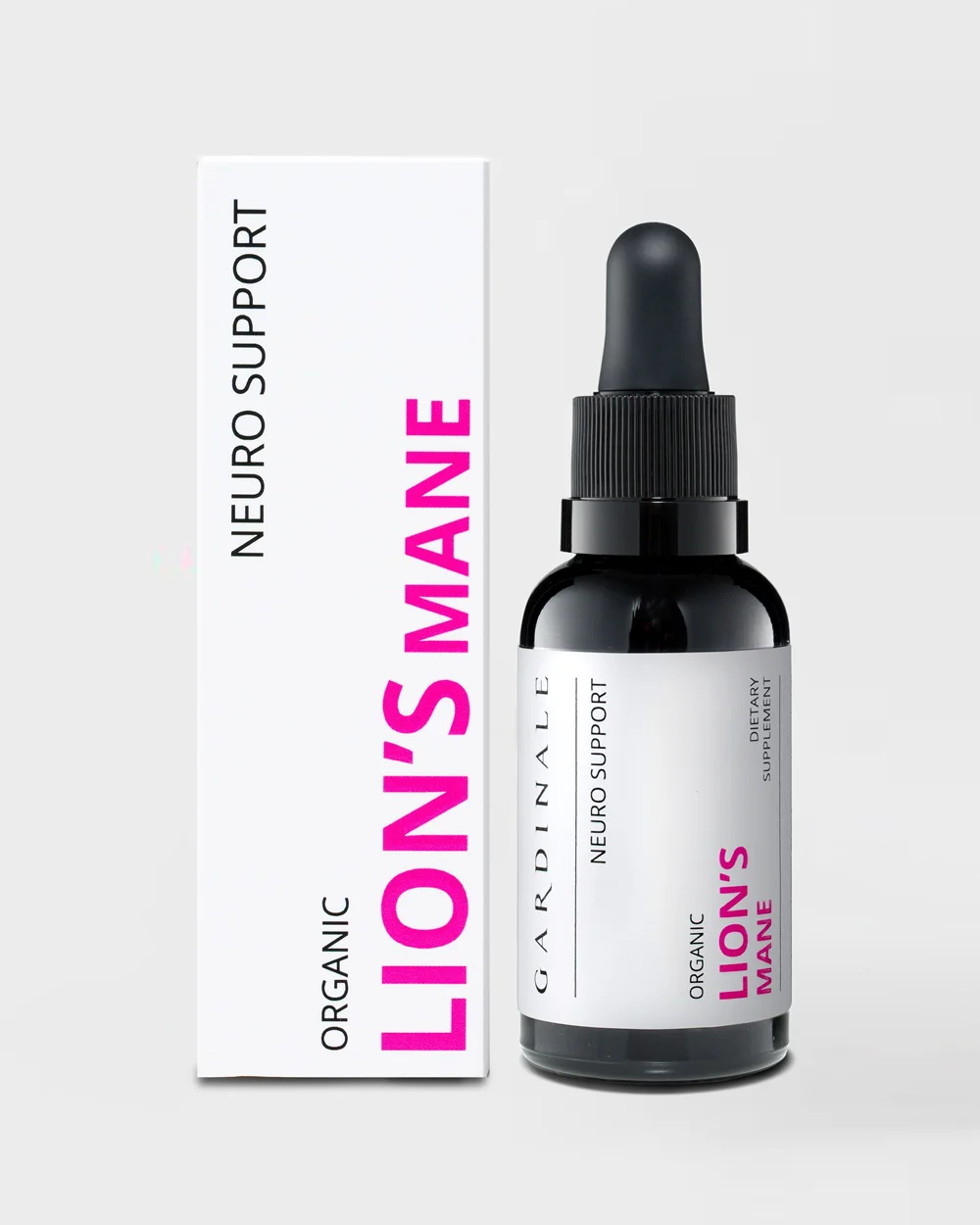
• Lion’s Mane – supports neuron regeneration and cognitive functions, acting like natural fuel for the brain.
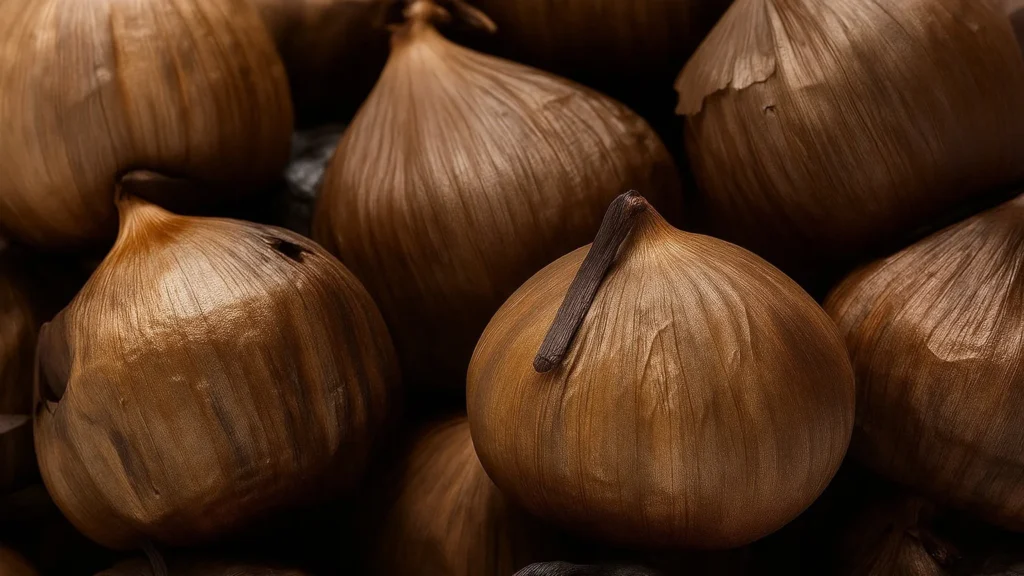
• Black garlic – a source of S-allyl-L-cysteine, a precursor of glutathione that cleanses the body of toxins and protects nerve cells from oxidative stress.
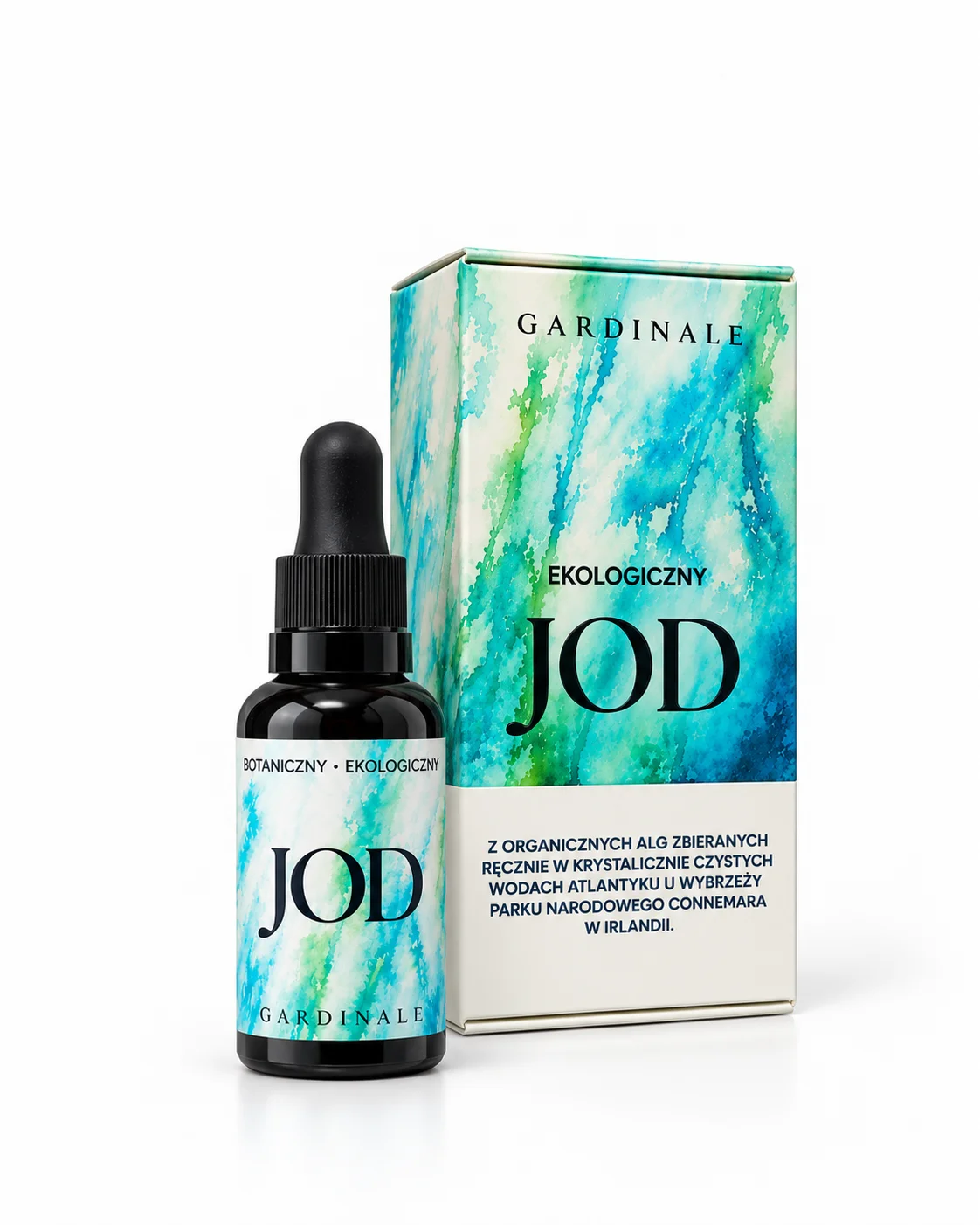
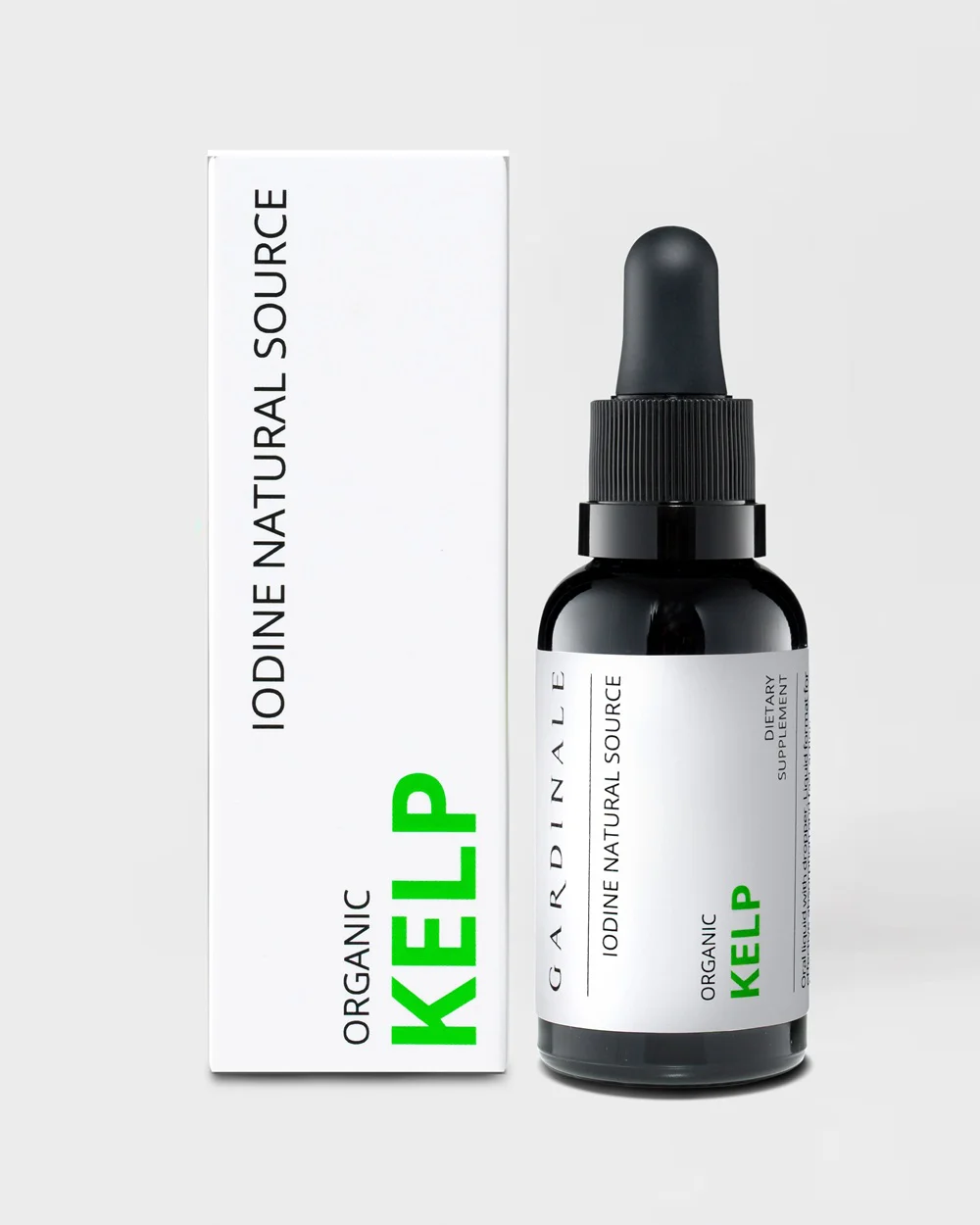
• Kelp – a natural source of iodine that supports hormonal balance and detoxification.
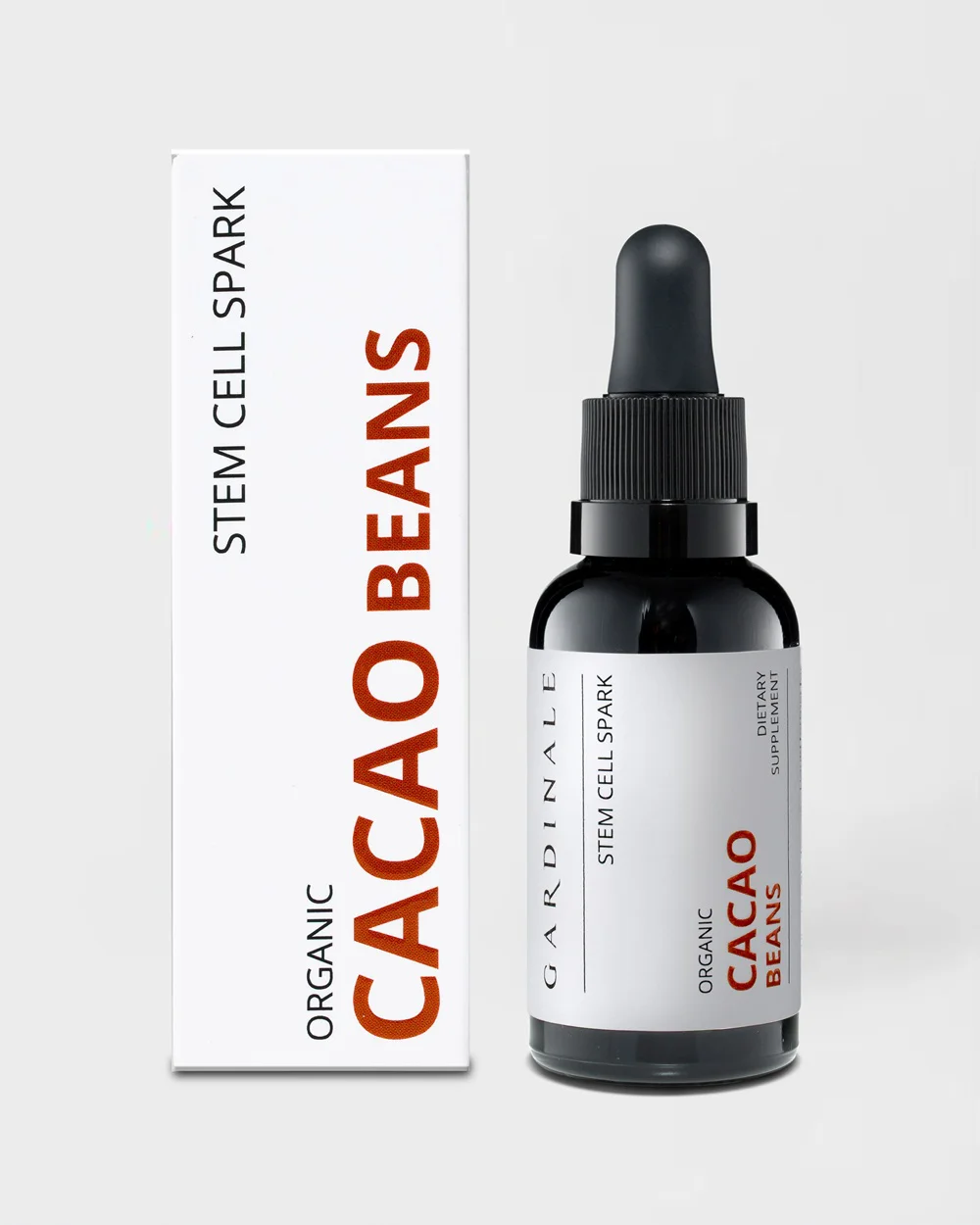
• Cacao seeds – provide flavonoids and theobromine that support the nervous system, improve mood, and increase blood flow to the brain.
• Cistus – one of the strongest natural antioxidants that helps eliminate heavy metals and free radicals.
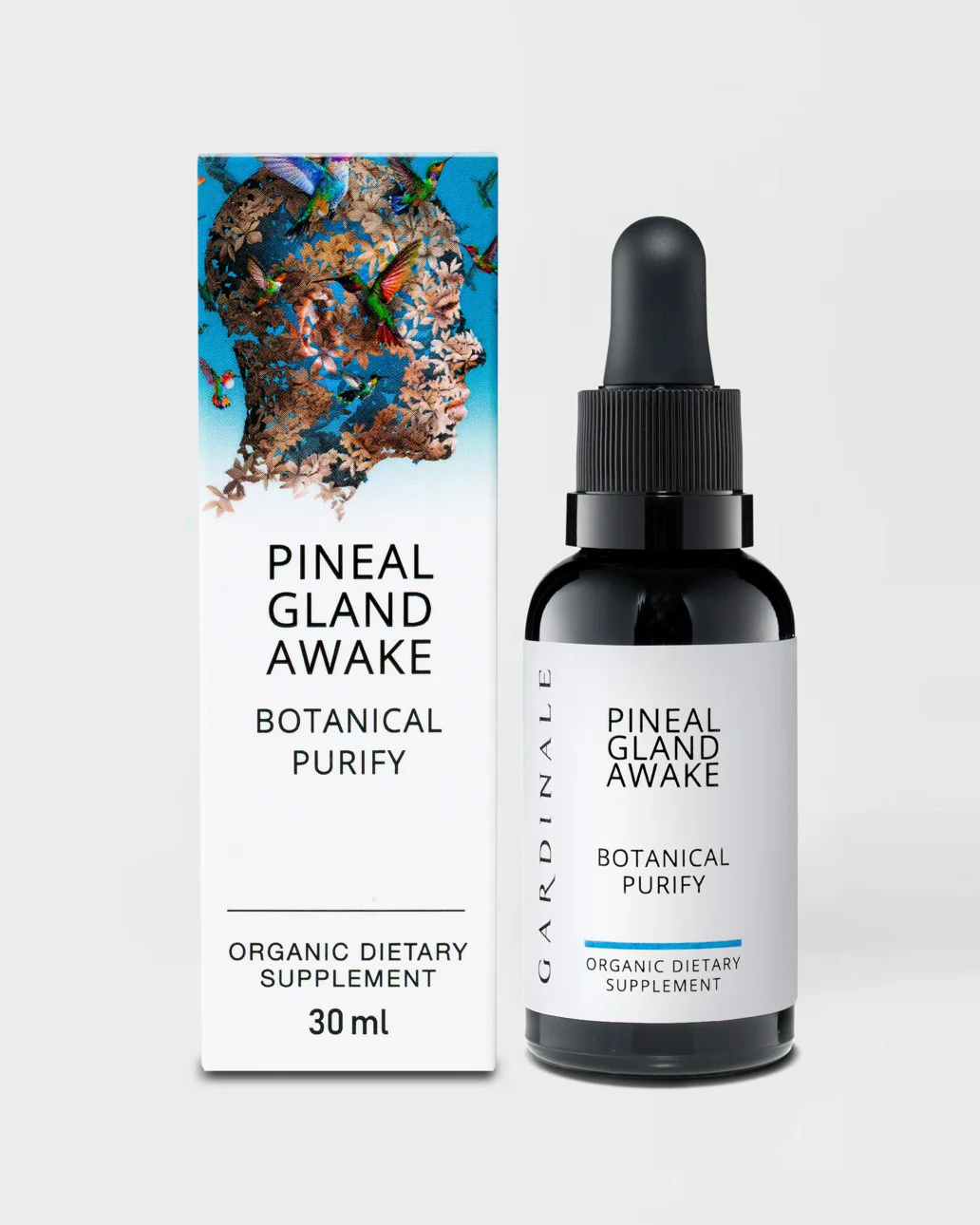
These are the ingredients we combined in the Pineal Gland Awake – Clean Pineal Gland formula to support natural cleansing and activation of this remarkable gland.
Open your third eye
The pineal gland is like a key – it can open doors to better health, a clearer mind, and deeper awareness. You just need to give it a chance.