The Power of Plants in the History of Medicine

What Can We Learn From Them?

Do places really exist where people live longer, healthier and happier lives?
Yes — and it’s not a myth. They’re called Blue Zones, and their residents often reach 90–100 years in excellent health.

The concept was popularised by longevity researcher Dan Buettner, who, together with a National Geographic team, explored regions with the highest life expectancy. What they discovered changed modern thinking about health and aging.

Where are the Blue Zones?

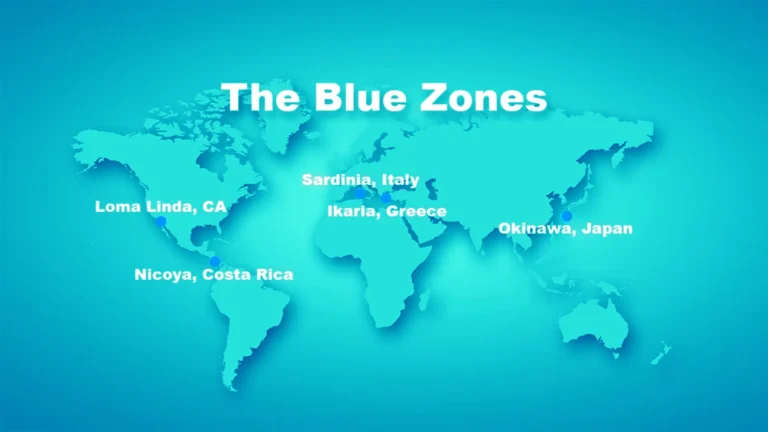
The five famous Blue Zones are:

  • Okinawa (Japan) – the land of ikigai, the philosophy of having a life purpose
  • Sardinia (Italy) – especially Barbagia, known for its exceptional number of centenarians
  • Ikaria (Greece) – “the island where people forget to die”
  • Nicoya (Costa Rica) – has the lowest middle-age mortality in the world
  • Loma Linda (California) – a community of Adventists who live up to 10 years longer than the average American

Despite cultural and environmental differences, they share remarkable similarities.

9 Secrets of Longevity from the Blue Zones

Researchers discovered nine lifestyle patterns that strongly influence health, immunity, brain function and life expectancy.

1. Natural movement

No gyms — movement is built into daily life:
• gardening
• walking uphill
• preparing food by hand

Small, frequent movements keep their bodies strong for decades.

2. Purpose (“ikigai” or “plan de vida”)

They always know why they wake up in the morning — purpose lowers stress and extends life.

3. The 80% rule

They stop eating when they feel 80% full.
Lighter dinners and less overeating support healthy metabolism and weight.

4. Plant-based diet + natural products

Core foods:

  • vegetables, legumes, nuts
  • local fermented products
  • minimally processed food

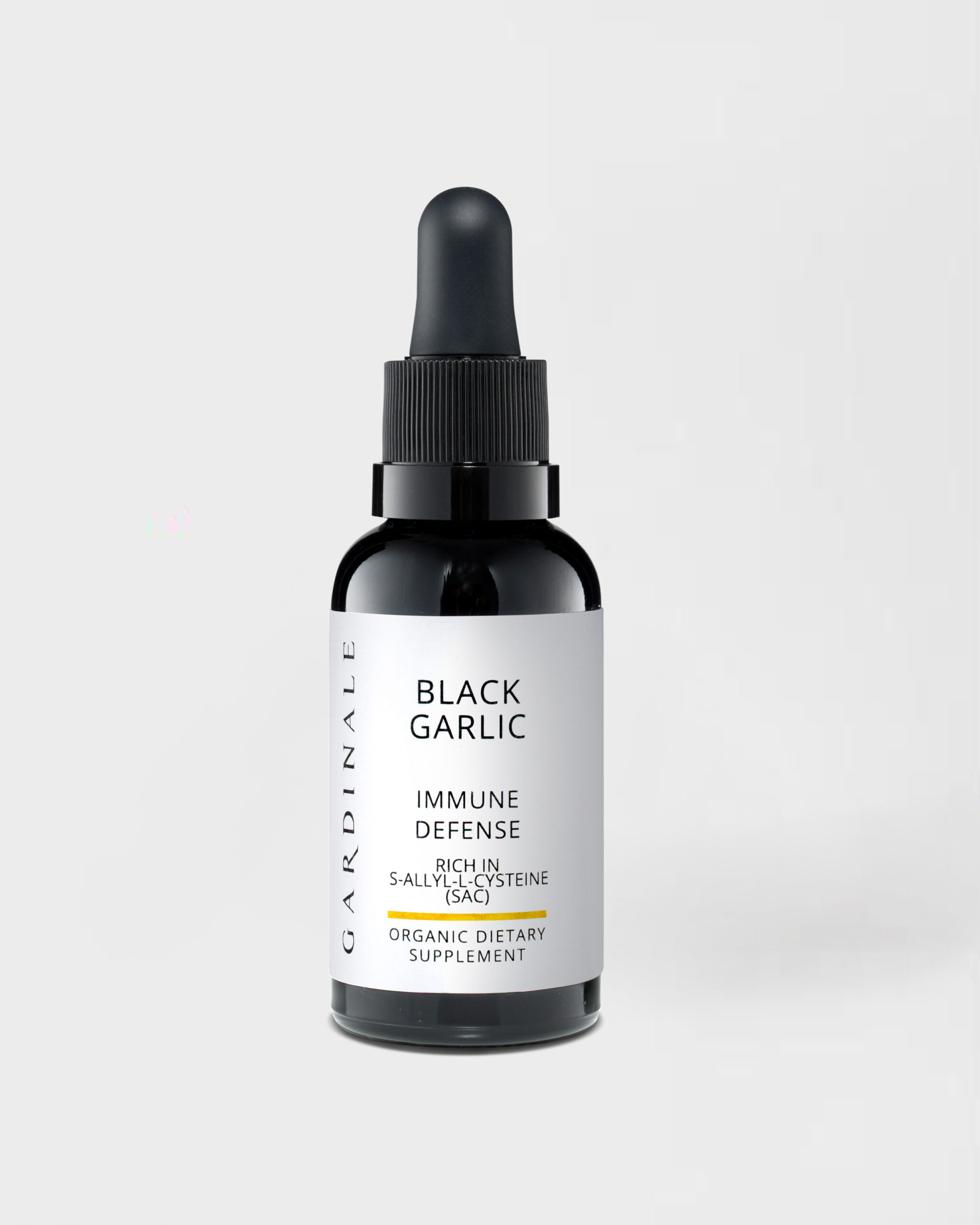
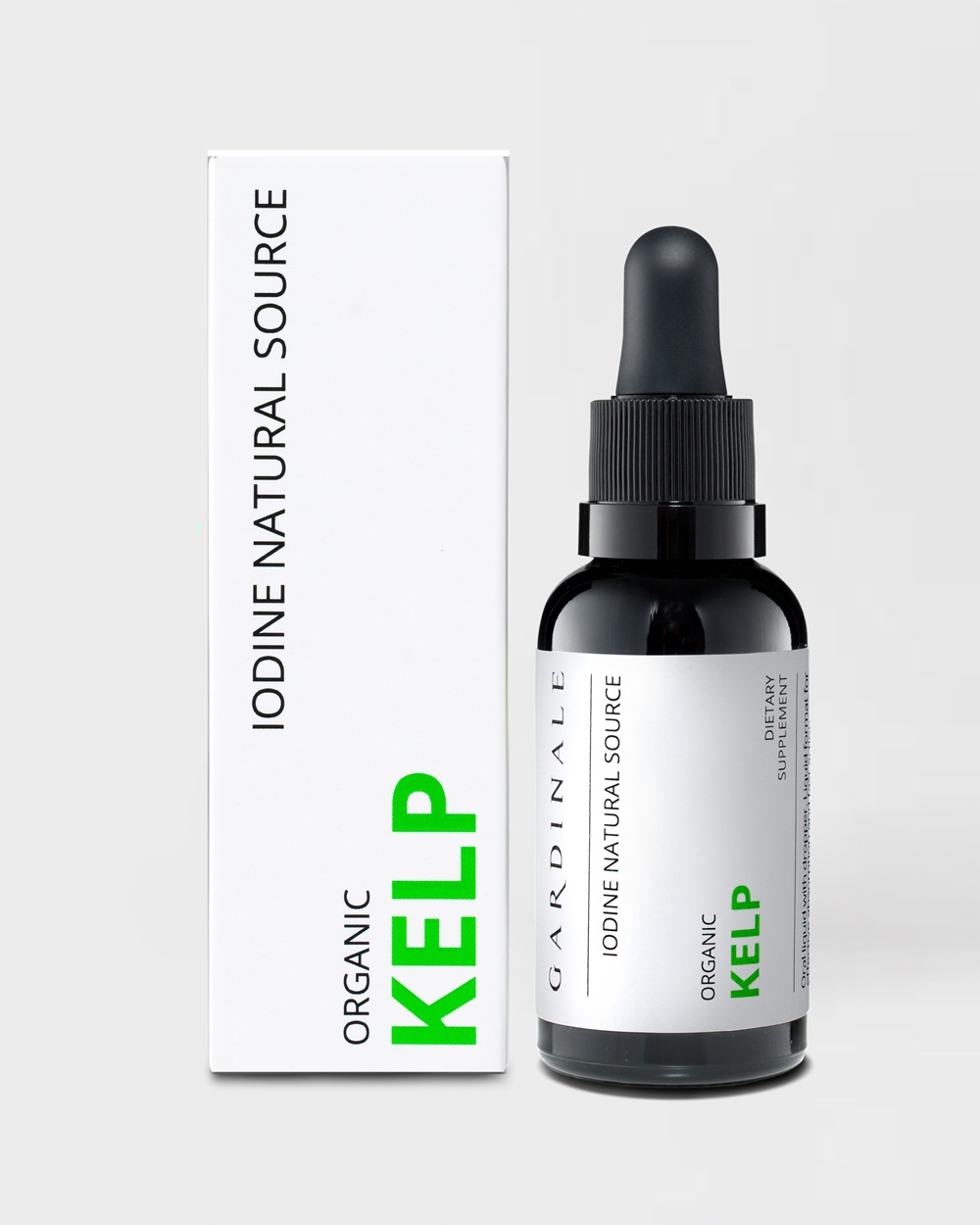
Many regions use natural extracts rich in antioxidants and anti-inflammatory compounds, similar to how modern wellness embraces ingredients like black garlic.

5. A glass of wine? Yes, but with moderation

Sardinians drink local red wine daily — always with food and in company.

6. Stress reduction

Daily calming rituals such as:

  • prayer
  • naps
  • slow meals
  • herbal tea with friends

Chronic stress accelerates aging — but these people mastered the art of slowing down.

7. Strong community bonds

No one is alone.
Family and friendships form a supportive network that protects mental and physical health.

8. Family first

Older people are deeply integrated into family life — benefiting both seniors and the younger generation.

9. Healthy environmentSurroundings matter.
People adopt the habits of those they spend time with.

What Can We Apply in Our Lives?

You don’t need to move to Okinawa. Even small changes can add 10–12 years to your life.

  • Eat more plants and natural antioxidant-rich foods
  • Move naturally each day
  • Reduce stress with small rituals
  • Eat slower and lighter
  • Nurture relationships — they are powerful longevity factors

Can We Create Our Own “Blue Zone”?

Absolutely. Homes, families and even workplaces can adopt longevity principles:

  • shared meals
  • natural food
  • daily movement
  • a calmer rhythm of life

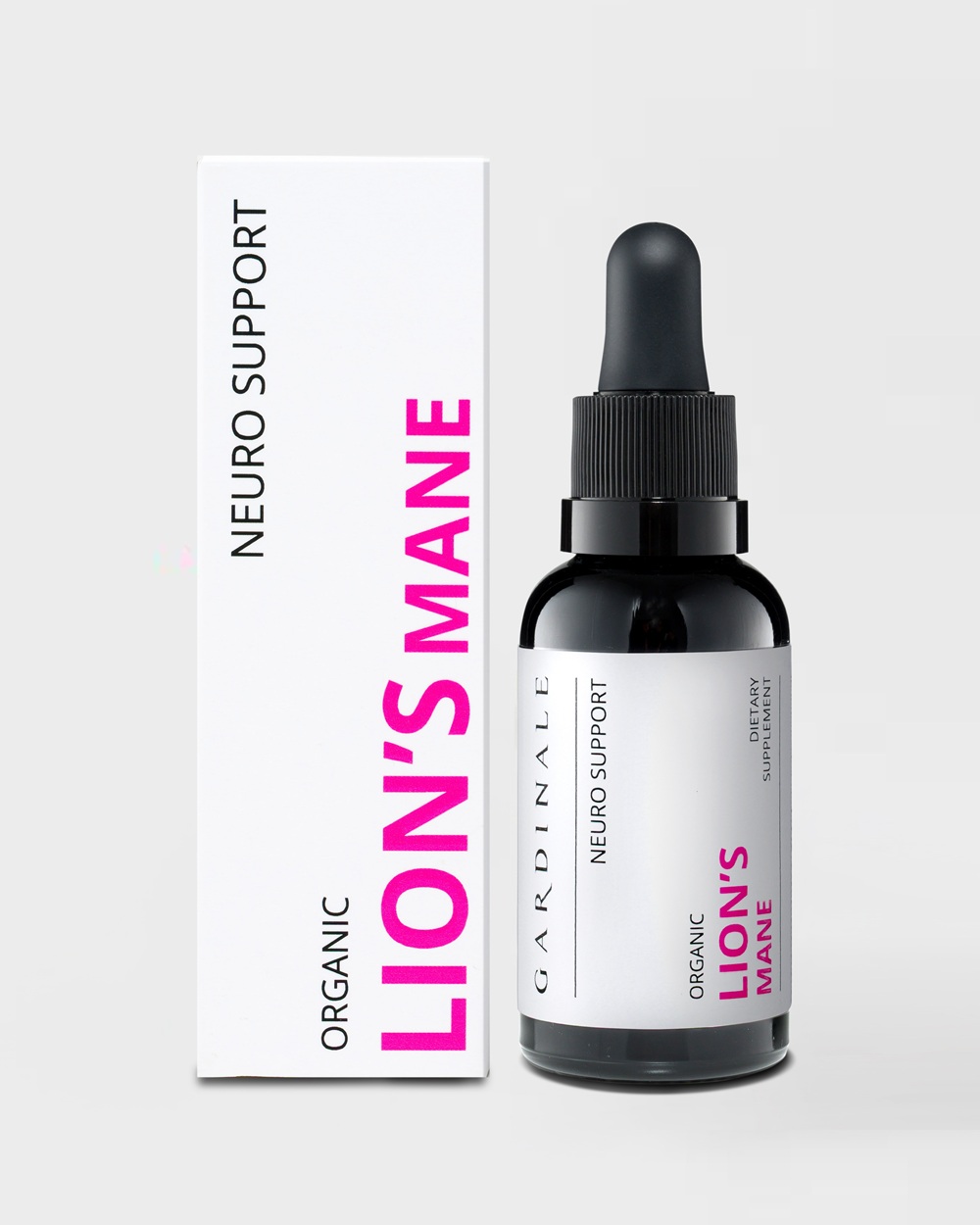
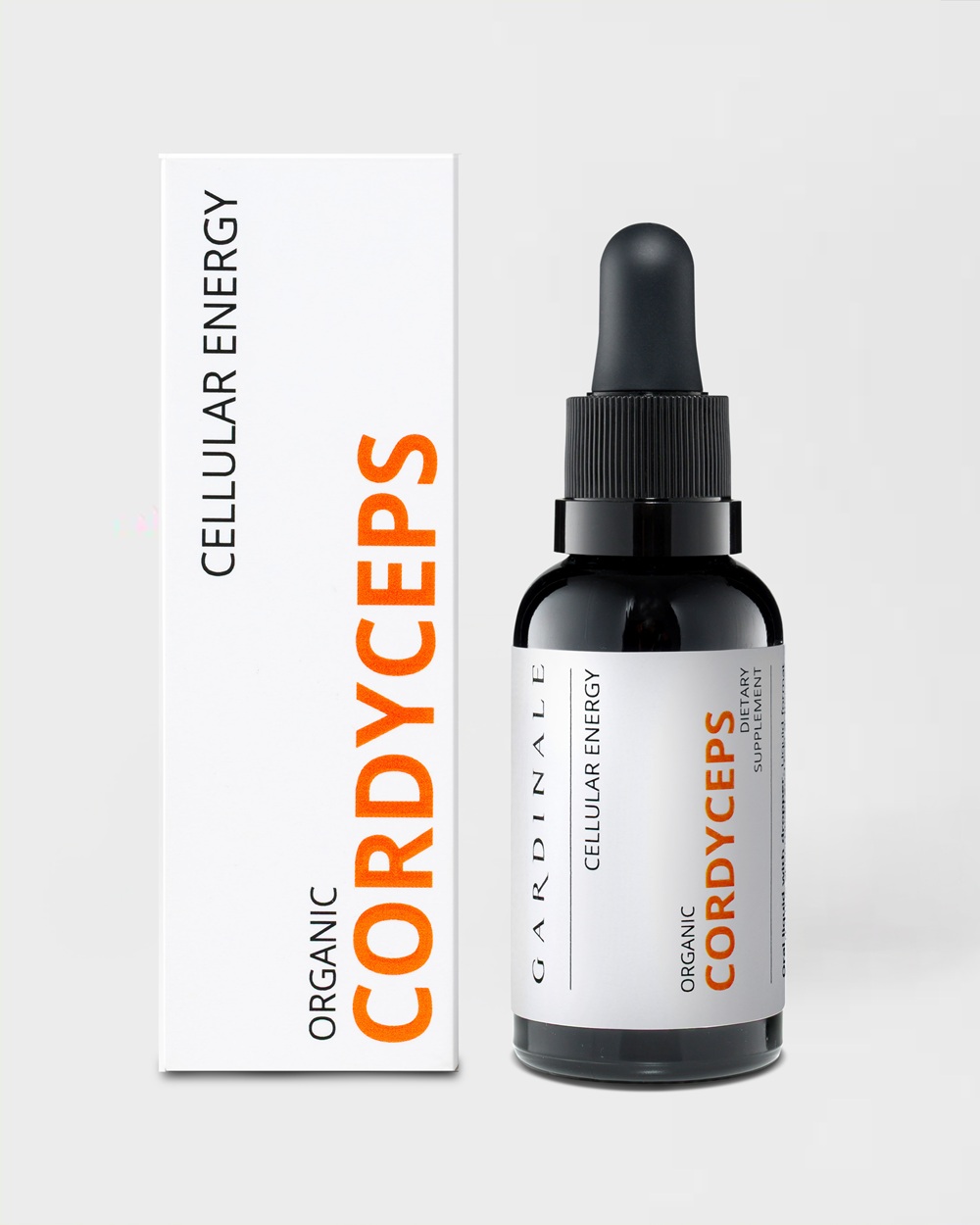
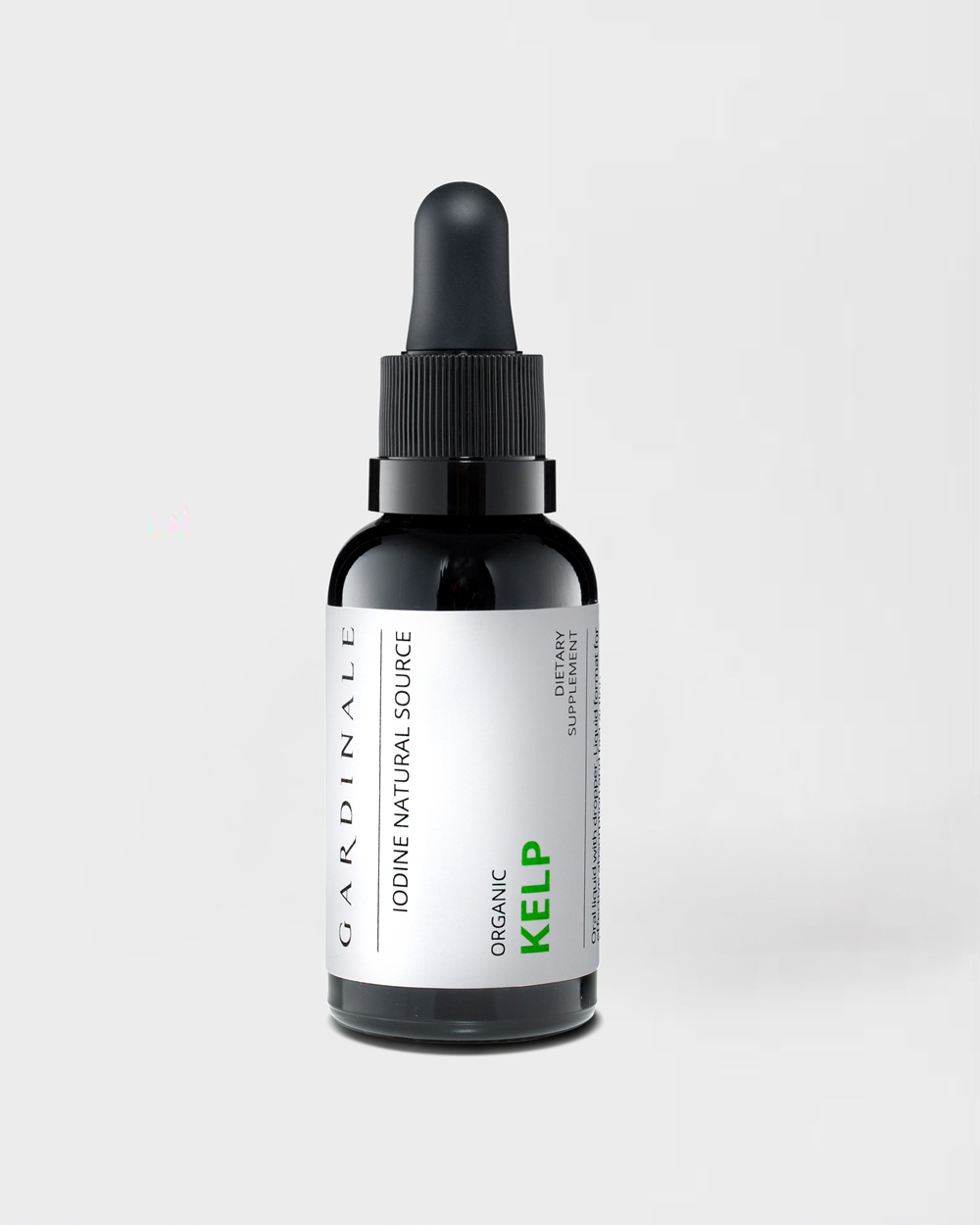
This philosophy perfectly aligns with natural extracts and products that support healthy aging and everyday vitality.
Other articles

PL-EKO 07

VEGAN 

GLUTEN FREEE

NO GMO

E-FREE

100% NATURAL

 ZERO WASTE

ZERO PRESERVATIVES

24 MONTH VALIDITY PERIOD

Join our community
Receive the latest updates on our health innovations and exclusive offers from Gardinale.

GARDINALE Sp. z o.o.
SCIENCE AND TECHNOLOGY PARK
ul. Mościckiego 1,
24-110 Puławy
POLAND
team@gardinale.com

Polityka Osobowych

1. Administrator danych

The controller of Customers’ personal data is:
Gardinale Spółka z ograniczoną odpowiedzialnością (limited liability company)
ul. Ignacego Mościckiego 1, 24-110 Puławy, Poland
E-mail: team@gardinale.com | Tel.: +48 883 255 355

2. Cel i podstawa prawna przetwarzania danych

Personal data is processed for the following purposes:
Fulfilling the sales contract (Article 6, Section 1, Letter b of the GDPR).
Managing the user account (optional) and enabling the use of order history.
Handling complaints and returns.
Sending commercial information only after consent (newsletter).

3. Zakres przetwarzanych danych

• Name and surname
• Email address
• Shipping address
• Phone number
• Order history
• Password (encrypted, non-recoverable)
Note : A user account is optional – purchases can be made without registration.

4. Udostępnianie danych

Dane mogą być przekazywane wyłącznie:
• operatorowi płatności (mBank S.A.),
• firmom kurierskim do realizacji wysyłki,
• podmiotom obsługującym księgowość i obsługę zamówień.

5. Okres przechowywania danych

Dane związane z realizacją zamówienia: przez okres niezbędny do realizacji zamówienia i zgodnie z obowiązującymi przepisami podatkowymi.

Konto użytkownika: przez czas aktywności  konta lub do momentu jego usunięcia.

6. Prawa Klienta

Każdy klient ma prawo do:
Dostępu do swoich danych i ich kopii.
Sprostowania danych.
Usunięcia danych („prawo do bycia zapomnianym”).
Ograniczenia przetwarzania danych.
Przenoszenia danych.
Wniesienia skargi do organu nadzorczego (PUODO w Polsce).

7. Środki bezpieczeństwa

Hasła kont są przechowywane w formie zaszyfrowanej.
Dane przesyłane przez formularze kontaktowe i zamówienia są szyfrowane protokołem SSL.
Sprzedawca stosuje procedury ochrony danych zgodne z RODO.

8. Cookies i podobne technologie

Pełna polityka cookies poniżej.

Polityka Cookies

1. Co to są pliki cookie

Cookies are small text files stored on the Customer’s device in order to:
improve the functionality of the website,
analyze traffic,
and maintain the user’s session (e.g., a logged-in account).

2. Rodzaje plików cookie używanych w sklepie

Niezbędne – umożliwiają korzystanie ze sklepu i realizację zamówień.
Funkcjonalne – pozwalają zapamiętać ustawienia i język strony, utrzymanie sesji konta.
Analityczne i marketingowe – wykorzystywane do analizy ruchu i przyszłych działań marketingowych (w przyszłości: GA, Meta Pixel itp.).

3. Zgoda na pliki cookie

Korzystając ze strony, Klient wyraża zgodę na używanie plików cookie zgodnie z polityką.
Klient może w każdej chwili zmienić ustawienia w przeglądarce lub poprzez baner cookie na stronie.

4. Przechowywanie danych

Cookies are stored for a maximum of 12 months or until they are deleted by the user.

5. Zarządzanie cookie

Customers can disable cookies in their browser settings at any time, or
delete existing cookies.
Disabling cookies may limit the store’s functionality (eg, loss of account sessions).

Przegląd prywatności

Yes, website owners are obliged to inform users about cookies and obtain consent to their use, especially analytical and marketing ones, as required by the GDPR and the Telecommunications Law (Article 173). Failure to comply with this obligation may result in high financial penalties (up to EUR 20 million or 4% of turnover) and loss of trust. A transparent notification (banner) and the possibility of user choice (consent, rejection, customization) are required.Obligation and legal basisGDPR (General Data Protection Regulation): Requires the processing of personal data in accordance with the principles of transparency and consent.Telecommunications Law (Article 173): Requires information about cookies and obtaining consent (or enabling its change through browser settings).What you need to do on the websiteNotification (Banner): Display a clear banner with information about cookies, the purpose of their use, selection options and the possibility of withdrawing consent.Consent: Users must provide informed consent to cookies that are not necessary for the basic operation of the site (e.g., analytical, marketing).User Options: Provide the ability to accept all, reject or adjust cookie settings (e.g., only necessary cookies).Privacy Policy: Provide easy access to a detailed Privacy Policy.Ongoing requirement: The notification should be visible and the ability to manage consent should be easy, e.g., through a permanent icon on the website.Consequences of non-complianceFinancial penalties: Up to EUR 20,000,000 or 4% of annual global turnover (GDPR), as well as up to 3% of revenue (Telecommunications Law).Loss of trust: Negatively affects the image and traffic of the website.SummaryVirtually every website using analytical, advertising, or content personalization tools must have a properly implemented cookie notification and consent mechanism, which is a legal requirement.